1 Sheepshead Lane, The Old Piggery
Hilary Roadley
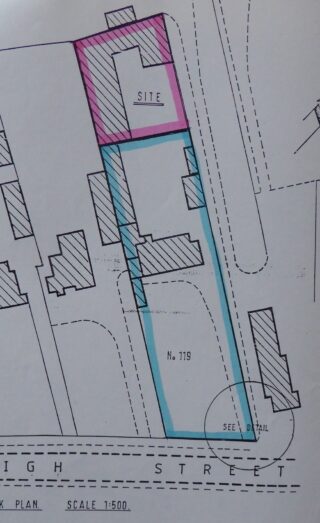
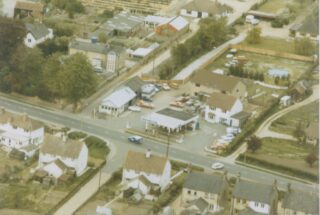
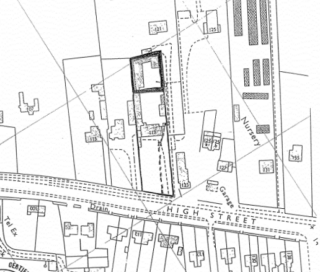
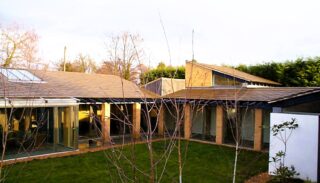
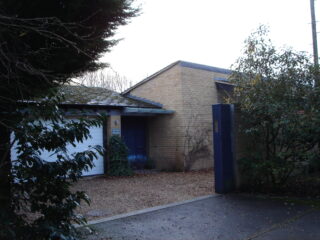
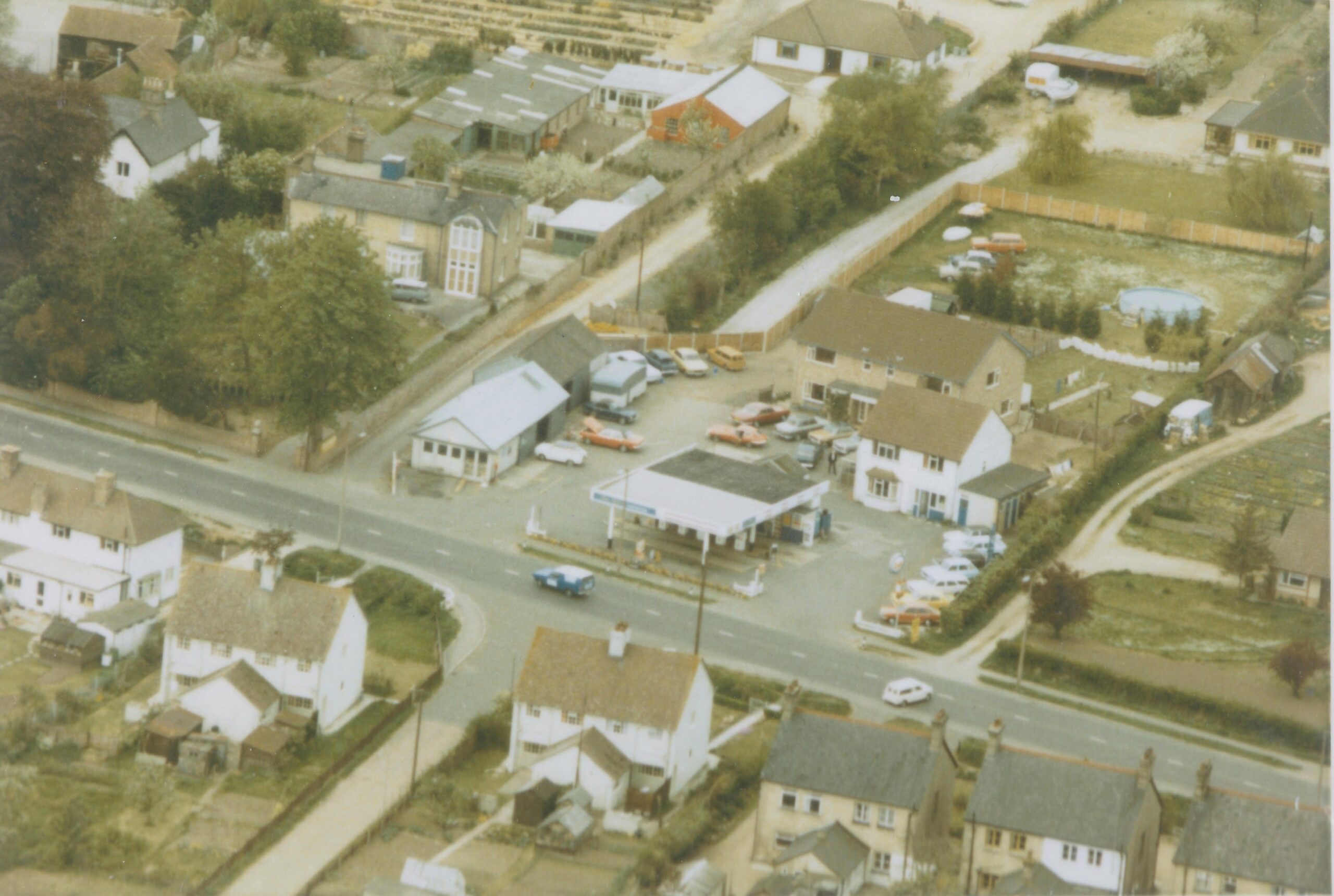
At the rear of 119 High Street, The Laurels, were a group of piggery buildings that probably last held pigs in the 1950s. The buildings are shown on the aerial photo, left of Sheepshead Lane which runs alongside the garage area. This part of the property was separated off from The Laurels in1987 see119 High Street, The Laurels
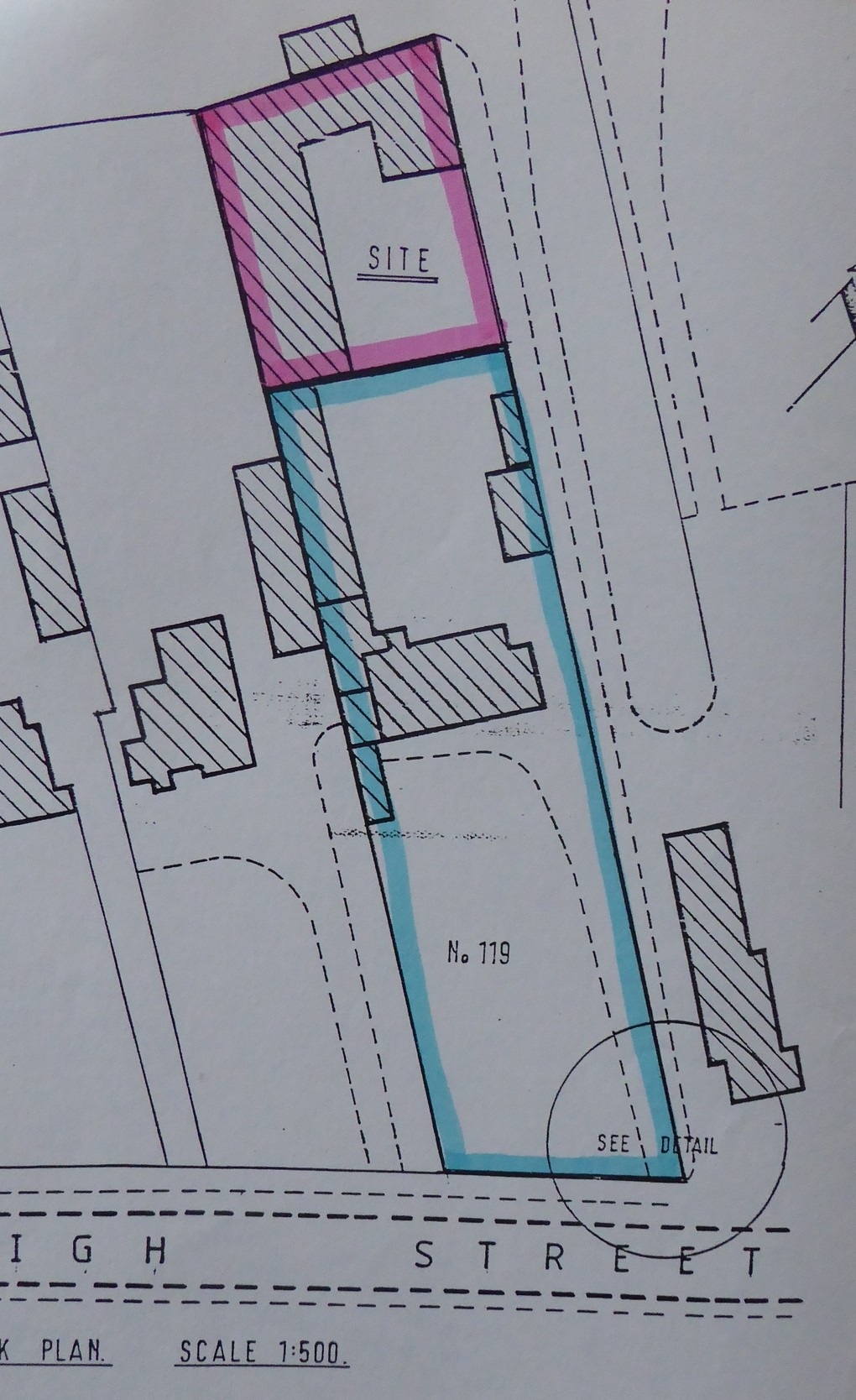
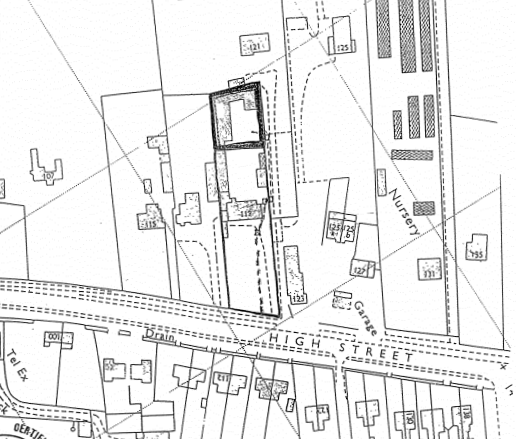
In 1996 the back part of this land, outlined on the map, was sold (for £39,000). It already had outline planning permission granted for a bungalow situated in the centre of the plot. The vendor was Peter Stuart Smith. An interesting fact is that P.S. Smith wrote thriller fiction under the name James Barrington, and lived in Andorra. He also owned the paddock to the rear (now a house and row of cottages) that was sold, it is thought, in the early 2000s.
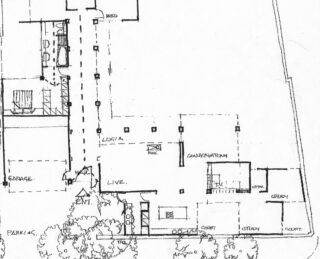
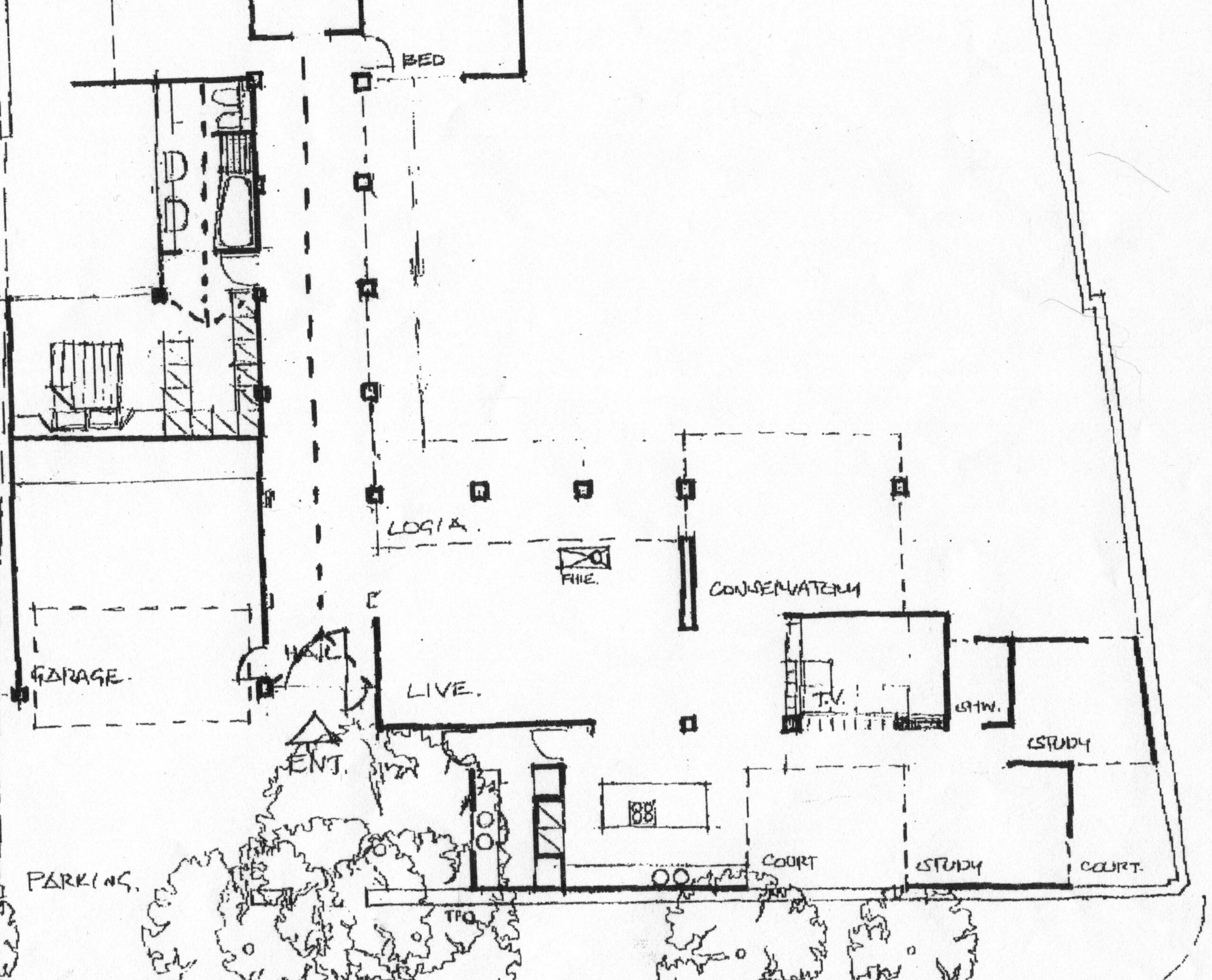
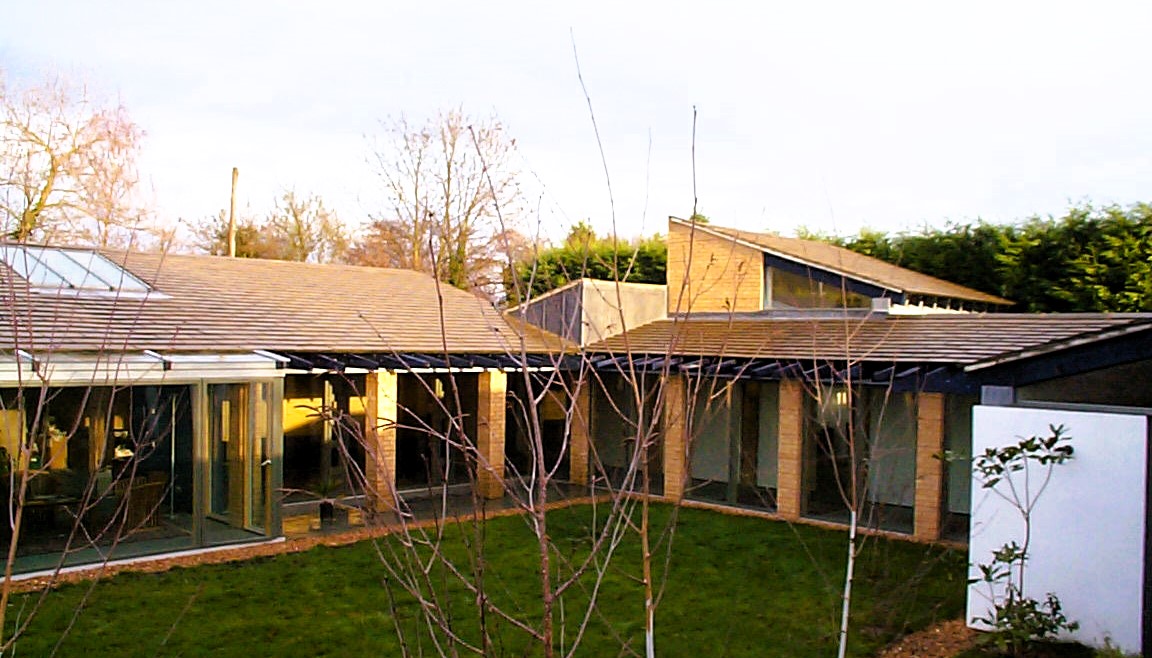
The Bath based architect David Hadfield was engaged to design an improved scheme for a courtyard house instead of the proposed bungalow; this approximately doubled the floor area and also left space for an enclosed garden.
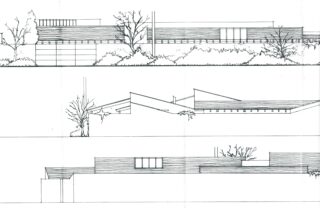
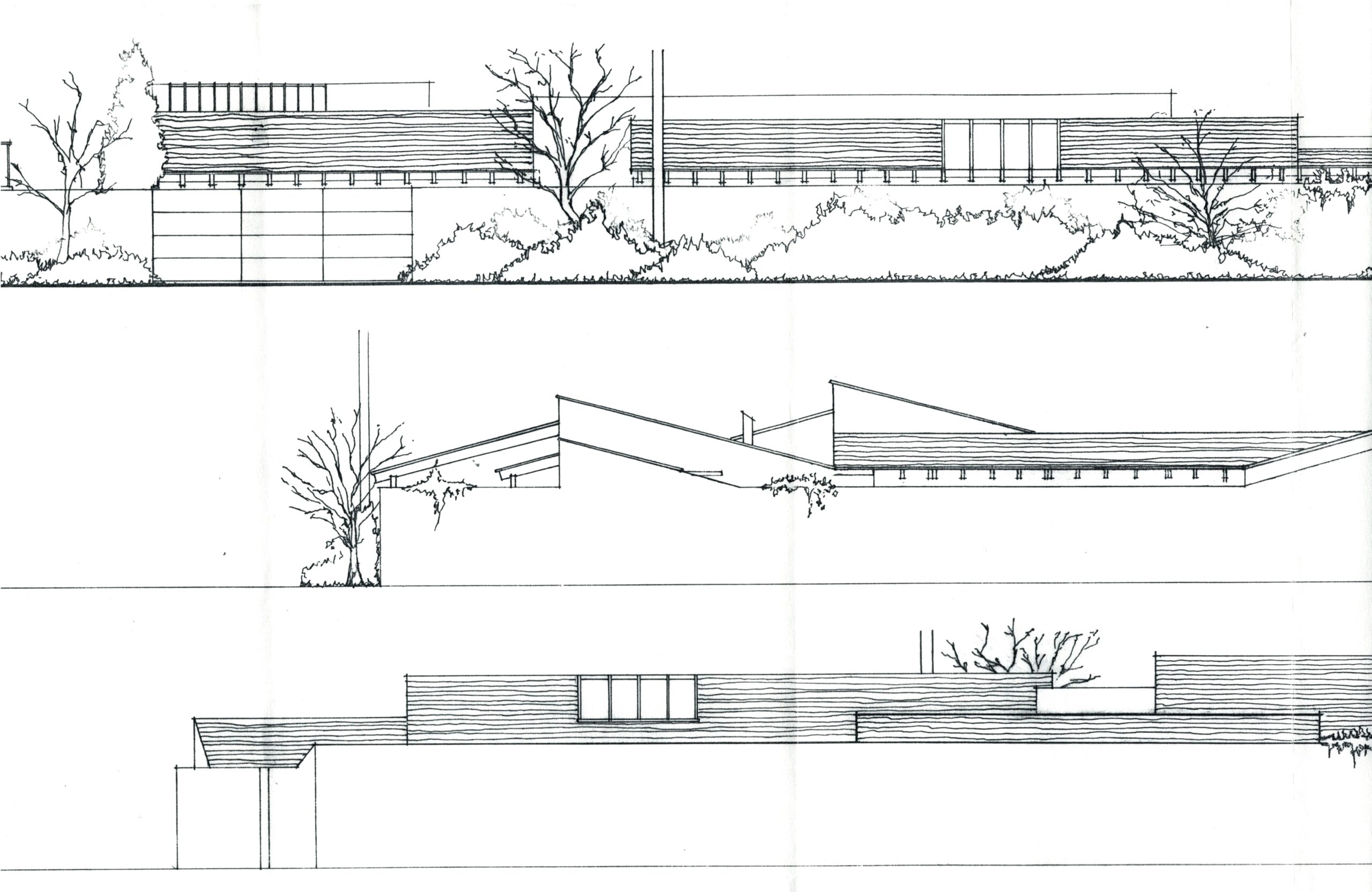
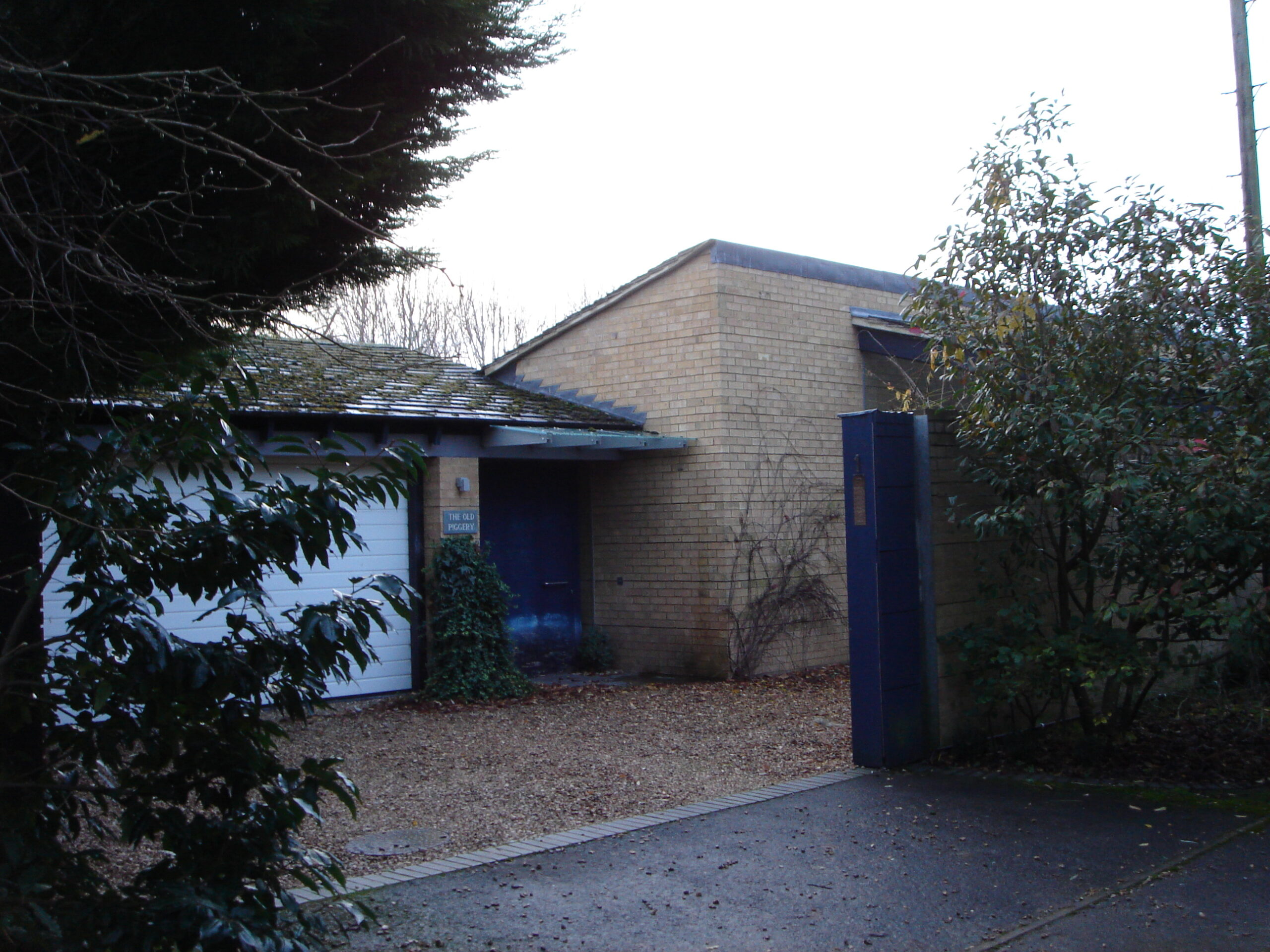
Planning constraints at the time, however, limited the development to single storey, although a mezzanine bedroom was sneaked in. Houses in the vicinity built later are now unapologetically two-storey, much to the owner’s annoyance. The sketch map and elevations show how the design of low buildings reflected the the shape of the previous piggery buildings around a courtyard.
Permission was granted without difficulty in July 1997. It took a year to find a builder (Nigel Davis) willing to undertake the unusual building. Construction started in July 1998 with the assistance of a Norwich and Peterborough self-build mortgage, the first ‘Green mortgage’ in the country to be granted a preferential rate for houses having a particularly good (for the time) energy rating. (This was was featured in the Daily Telegraph). The owner moved in, in May 2000.
The major issue with the plot was that the access lane was considered too narrow to support another dwelling and the originally envisaged solution was to move the six foot high brick wall belonging to no. 119 a few feet across – a task made impossible by the presence of a mature sycamore under a preservation order as well as the understandable objection of its owners. The problem was solved by persuading Esso (before it became BP) to sell off 18” of land and the Piggery owner covering the cost of £4K for their preferred contractors to shift the kerbs and move the fuel tank vent pipes.

No Comments
Add a comment about this page